The darknet database market has emerged as a significant arena within the broader context of cybercrime and illicit activities. Operating in the hidden corners of the internet, this market enables the buying, selling, and trading of vast arrays of confidential data. From personal information to corporate databases, the implications for individuals and organizations are profound.
Payments are irreversible, making fraud disputes difficult. Ransomware gangs publish stolen documents on leak sites when victims don’t pay. This is why credential monitoring that includes session token detection matters. Attackers can import them into their own browser and access your accounts without ever entering a password or MFA code.
Darknet Database Market
At the heart of the darknet database market lies anonymity, which is a fundamental characteristic of darknet platforms. Utilizing Tor or similar networks, users are able to hide their identities, making it difficult for law enforcement to track criminal activities. This level of privacy has attracted a diverse group of participants, including hackers, data brokers, and even ordinary individuals seeking quick financial gain through the sale of stolen information.
Types of Data Available
The range of data offered in the darknet database market is astonishing. Some of the most frequently traded data types include:
- Personal Identification Information (PII): This includes names, addresses, Social Security numbers, and more.
- Financial Information: Credit card details, bank account numbers, and records of transactions.
- Email databases: Compiled lists of emails from various sources, often used for phishing scams.
- Health records: Sensitive medical information that can be sold for identity theft or fraud.
The Economics of the Darknet
- The market was highly concentrated across major hubs, led by Huione Pay (~USD 73.0 billion), followed by Haowang (~USD 7.3 billion), Xinbi (~USD 5.9 billion), and Tudou (~USD 3.0 billion).
- Yes, you can access the dark web on mobile — you just need the right app.
- Each new wave of marketplaces seeks to improve operational security and trust mechanisms (such as escrow and vendor reputation), while defenders and authorities adapt their tactics in response.
- Brian’s Club (often styled as BriansClub / Brian’sClub / BrianCC) is a long-running carding marketplace that has operated since the mid-2010s and is best known for selling stolen payment card data.
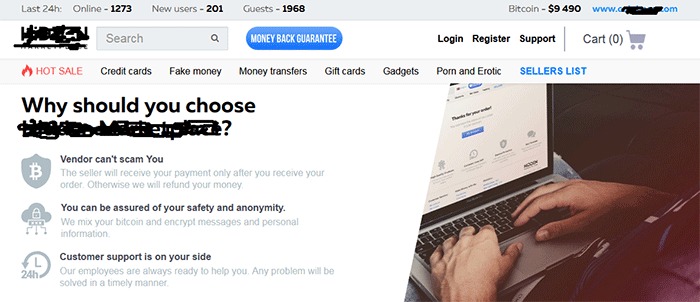
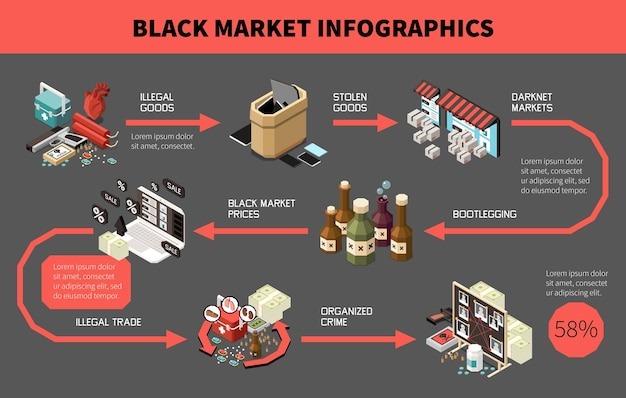
- The dark net is famous for being a hub of black market websites for buying and selling products and services.
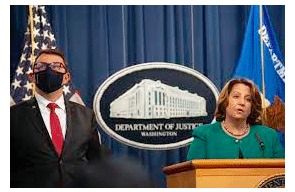
- Four people had been detained in raids, including a man from Paraguay, on suspicion of running the network.
The darknet database market operates on a varied economic model compared to traditional markets. Prices can range significantly based on the sensitivity and volume of the data. For instance, a single credit card entry may sell for a few dollars, whereas a complete database from a large corporation could command thousands. This pricing structure reflects both the demand for the data and the perceived risk associated with trading in illicit goods.
Risks and Consequences
Engaging in the darknet database market poses myriad risks. For buyers, there is the potential for fraud, as many sellers may offer fake or incomplete datasets. Furthermore, law enforcement agencies around the world are increasingly targeting darknet marketplaces, leading to arrests and prosecutions that can have severe legal consequences. For sellers, the risk of being caught is ever-present, and many use sophisticated methods to cover their tracks, though these methods are not foolproof.
Impact on Society
The ramifications of the darknet database market extend beyond individual victims. Organizations face the threat of data breaches that can undermine consumer trust and result in significant financial losses. Businesses must invest heavily in cybersecurity measures to safeguard against potential breaches. Additionally, the trade of stolen data contributes to a larger ecosystem of crime, leading to increased incidents of fraud, identity theft, and even cyber-terrorism.
Conclusion
The darknet database market represents a complex challenge in the digital age. As data becomes an increasingly valuable asset, the market for obtaining it illicitly will likely grow. Understanding this landscape is crucial for individuals and organizations seeking to protect themselves from the threat posed by such underground economies. Awareness, proactive measures, and robust cybersecurity practices remain essential in navigating the risks associated with the darknet database market.