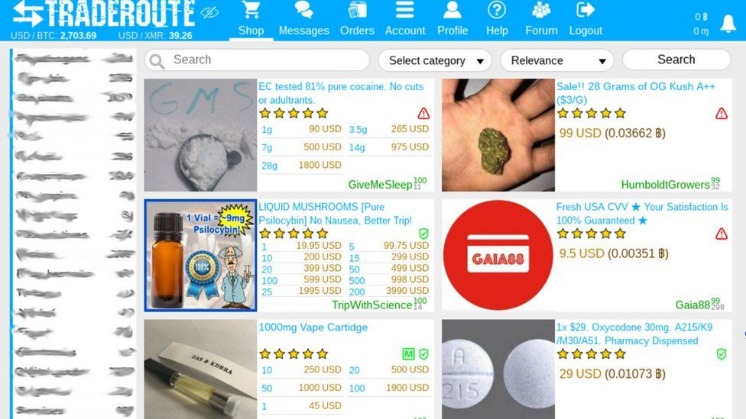
The market shares of various Silk Road successor sites were described by The Economist in May 2015. Other sites already existed when Silk Road was shut down and The Guardian predicted that these would take over the market that Silk Road previously dominated. Silk Road held buyers' bitcoins in escrow until the order had been received and a hedging mechanism allowed sellers to opt for the value of bitcoins held in escrow to be fixed to their value in US$ at the time of the sale to mitigate against Bitcoin's volatility.
No one really knows the size of the dark web, but most estimates put it at around 5% of the total internet. Only a tiny portion of the internet is accessible through a standard web browser—generally known as the “clear web”. Estimates place the size of the deep web at between 96% and 99% of the internet. Medical records, fee-based content, membership websites, and confidential corporate web pages are just a few examples of what makes up the deep web.
- The dark web news site Deep.Dot.Web teems with stories of buyers who have been arrested or jailed for attempted purchases.
- However, the closure of Silk Road did not end dark web activity; it only dispersed it across other, more resilient markets.
- This platform ran on cryptocurrency, leveraging blockchain's pseudo-anonymity to move millions.
- Ross William Ulbricht was the creator and owner of the Silk Road website who was deeply interested in libertarian economic and political theory while studying engineering at Penn State University.
- Marshals Service sold 29,657 bitcoins in 10 blocks in an online auction, estimated to be worth $18 million at contemporary rates and only about a quarter of the seized bitcoins.
It operated on the hidden corners of the internet, outside of traditional search engines, and accessible only through encrypted software like Tor. Install AVG Secure VPN to encrypt your internet connection and protect your privacy wherever you go on the web. Download AVG Secure VPN to encrypt your internet connection and protect your privacy wherever you go on the web. AVG Secure VPN protects your online connection with bank-grade encryption and hides your identity behind a virtual IP address. AlphaBay ran from 2014 to 2017, with over 400,000 users and 300,00 items listed when it was shut down in 2017.
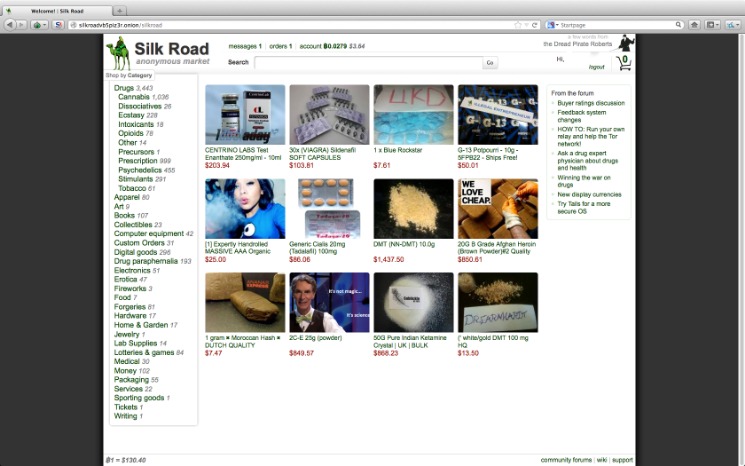
The Dark Web Silk Road was an infamous online marketplace that revolutionized the way illegal goods and services were traded over the internet. Launched in 2011 by the pseudonymous figure known as Ross Ulbricht, this platform operated within the shadows of the internet, accessible only through specific software designed to maintain anonymity. Through the Silk Road, users could buy anything from illicit drugs to counterfeit documents, all while sidestepping traditional law enforcement. This underground marketplace became a symbol of the dark web's potential and peril, raising questions about legality, ethics, and the digital economy.
Dark Web Silk Road Overview
The Silk Road was not just an ordinary e-commerce site; it was a complex ecosystem where thousands of vendors and buyers engaged in transactions using Bitcoin, a decentralized cryptocurrency. This method allowed users to operate with a degree of anonymity, making it difficult for authorities to trace transactions back to individuals. The platform featured a rating system, akin to user reviews on mainstream sites, which helped users assess the credibility of sellers.
How It Worked
Upon entering the Silk Road, users created accounts and browsed through a variety of listings. Categories included drugs, hacking services, and more. Each item had descriptions and seller ratings, which provided buyers with insights into product quality and seller reliability. Transactions were conducted using an escrow service, which protected both parties until the buyer confirmed receipt of the item.
Security Measures
An essential aspect of the Dark Web Silk Road was its emphasis on security. The use of the Tor network ensured that users could browse anonymously, shielding their IP addresses from potential surveillance. Additionally, by utilizing Bitcoin, the marketplace circumvented traditional banking systems, thereby reducing the chances of financial tracking. However, this anonymity also attracted criminal elements, leading to an environment ripe for scams and illegal activity.
The Rise and Fall
The success of the Silk Road was met with increasing scrutiny from law enforcement agencies worldwide. In October 2013, the U.S. FBI shut down the site, arresting Ross Ulbricht in the process. The authorities seized several million dollars' worth of Bitcoin and other assets during the takedown. This event not only marked the end of the original Silk Road but also served as a wake-up call regarding the dark web's potential for illegal trade.
Aftermath and Impact
- Any changes in the price of bitcoins during transit were covered by Dread Pirate Roberts.
- Then, get a VPN to keep your online activity private and add a protective layer between yourself and the web’s darker side.
- Federal prosecutors alleged that Ulbricht had paid $730,000 in murder-for-hire deals targeting at least five people, because they purportedly threatened to reveal the Silk Road enterprise.
- In 2021, Ulbricht's prosecutors and defense agreed that Ulbricht would relinquish any ownership of a newly discovered fund of 50,676 Bitcoin (worth nearly $5.35 billion in 2025) seized from a hacker in November 2021.
- Browsers with the appropriate proxy can reach these sites, but others can’t.
- They're not just masters of logistics moving product from territory A to territory B.They're also "the Hollywood of pharma" — the only ones who can research, develop, and iterate on new products without going to prison.They centralize cash, seed dozens of small ventures, expect many to fail, and scale the winners.Sound familiar?
Despite its closure, the Silk Road had a lasting impact on darknet markets. Many successors emerged, attempting to replicate its business model. The legacy of the Silk Road raised essential questions about digital privacy and the future of online commerce. Discussions about cryptocurrency regulation, cybersecurity, and the ethical implications of anonymous online transactions became more prevalent, shaping policies and practices in the digital age.
Lessons Learned
The story of the Dark Web Silk Road serves as a cautionary tale about the dual-edged nature of technology. While the internet has facilitated unprecedented levels of trade and communication, it has also provided a platform for illicit activities. The important takeaway from this saga is the necessity of balancing technological innovation with ethical considerations, ensuring that digital spaces promote safety and legality.
Conclusion
The Silk Road may have been shut down, but it remains a crucial piece of the narrative surrounding the dark web and online marketplaces. Its rise and fall highlight the complexities of digital economies in an era where anonymity and technology can both empower and endanger individuals. As society continues to grapple with the implications of facilitating such platforms, the lessons learned from the Silk Road will undoubtedly influence future discussions about the intersection of technology, law, and morality.