The internet is a vast landscape, full of hidden corners and obscure areas that many users are unaware of. Among these, the terms dark web and deep web often create confusion. While they are related in some ways, they refer to very different parts of the online world. This article will clarify the distinctions between the dark web and deep web, enhancing your understanding of these intriguing topics.
At the bottom lies the deep web, containing vast amounts of information not indexed by search engines, such as databases and private networks. The deep web refers to all that is accessible on the internet that is not indexed with those typical search engines. The deep web comprises non-indexed sites that are not accessible via standard search engines. Cyber criminals phish users and exploit vulnerabilities in websites, databases, networks, and web apps to gain access to confidential data, such as user credentials. The deep web is any part of the internet that is not indexed by search engines, and it accounts for roughly 90% of all the internet's content. However, illegally accessing deep web content and services, such as hacking into an account, is a criminal offense.
Dark Web Vs Deep Web
To comprehend the differences, it's essential to define each term:
But while it can support legitimate uses such as whistleblowing or journalistic sources, it’s also a hub for illegal activity. Accessing the deep web is simple, and you likely use it daily when logging into private accounts like Gmail, your bank account, or even streaming services like Netflix or Disney+. Knowing the differences between the deep web and dark web can help protect your online safety when and if you choose to access each. Most of what you see in search results is just a small slice of the internet. Take a closer look at the differences between the two, and use Norton 360, with built-in VPN and AI-scam technology, to encrypt the data you send and receive online and help protect against scams. Learn how UpGuard helps companies proactively monitor the deep web for data leaks.
A VPN encrypts your connection to the internet as a whole, regardless of whether you are on the surface web or the dark web. Get CyberGhost VPN to hide your IP address and ensure you’re safer while browsing the internet. Surfing the internet with Tor or a similar encrypted browser is completely legal.
What is the Deep Web?
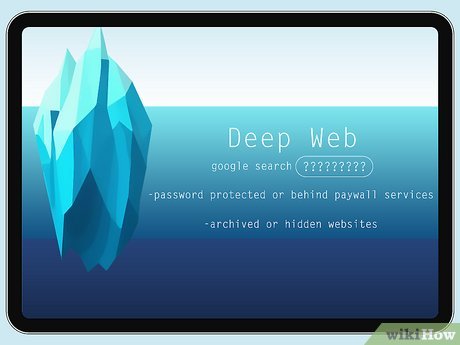
The deep web refers to all parts of the internet that are not indexed by traditional search engines like Google, Bing, or Yahoo. This includes a variety of content that is not accessible through standard browsing. Some of the components of the deep web are:
- Private databases: Academic journals, medical records, and financial accounts.
- Intranet: Educational institutions’ and organizations’ internal sites.
- Subscription services: Paid content behind paywalls, such as certain news articles or videos.
The deep web is significantly larger than the surface web, which is what most users are familiar with. Although it holds a wealth of information, it is primarily lawful and benign in nature.
- So, why can we only access such a small amount of the web?
- Cybercriminals, internet scammers, hackers, and internet brokers use it for lethal purposes.
- These are examples of things found in the dark web, a collection of websites that have hidden IP addresses and may require a specific software to access.
- Maybe you found it by searching "difference between surface web and deep web" on Google.
- Most people use the deep web constantly without noticing.
What is the Dark Web?
On the other hand, the dark web is a small segment of the deep web that has been intentionally hidden and is inaccessible through standard web browsers. The dark web can only be accessed using special software, such as Tor (The Onion Router). Key features of the dark web include:
- Anonymity: Users and website operators can remain anonymous.
- Illicit activities: It is often associated with illegal trade, such as drugs and weapons.
- Forums and marketplaces: Dark web sites often host forums where users discuss illegal activities.
While it can be a hub for illegal and harmful activities, the dark web also provides a space for free expression in oppressive regimes, allowing whistleblowers and activists to communicate securely.
Key Differences
Understanding the distinctions between the dark web and deep web can help demystify these concepts:
- Accessibility: The deep web is easily accessible by any internet user, while the dark web requires specific software.
- Content: The deep web contains primarily legal and benign content, whereas the dark web houses a range of illegal activities.
- Anonymity: Anonymity is generally a focus of the dark web, in contrast to the deep web, where identities and owners are often known.
Despite the dark web being infamous for its illegal activities, it is crucial to recognize that not all content within the dark web is illicit; it provides a platform for those seeking privacy and discretion.
FAQs
1. Is the deep web dangerous?
The deep web itself is not necessarily dangerous. Most of it consists of harmless content, but caution should be exercised with personal information and private databases.
2. Can I access the dark web without any knowledge of it?
While it is technically possible to access the dark web without prior knowledge, it is not advisable. It requires specific tools and comes with inherent risks.
3. Are there any legal activities on the dark web?
Yes, the dark web hosts activities that are legal, such as forums for political discourse, privacy-focused services, and journalism in oppressive regimes.
Conclusion
In summary, while the terms dark web and deep web are often conflated, they refer to different aspects of the internet. Understanding these distinctions can help users navigate the complexities of online safety and legality. Awareness of the nature and content of both the dark web and deep web is essential for responsible internet use.