The darknet is a hidden part of the internet, often associated with illegal activities, including drug trafficking, weapons sales, and financial fraud. Within this shadowy realm, darknet bank accounts have emerged as essential tools for anonymity and secure transactions. These accounts enable users to manage funds without detection, offering a semblance of privacy that traditional banking cannot provide. This article explores the intricacies of darknet bank accounts, their uses, risks, and the underlying technologies that facilitate them.
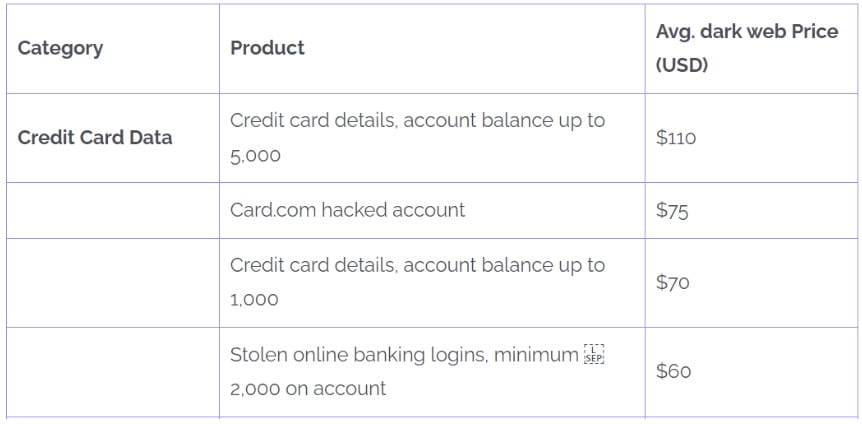
They may be used by cybercriminals to store stolen money that will cover their tracks or to steal money by ordering credit cards fraudulently. This is the act of using stolen bank account details, such as full name, date of birth, driver’s license details, contact information, SSN, financial account number, and credit score in order to open fake bank accounts. Financial trojans are a type of malware designed to steal sensitive financial information, such as banking credentials, credit card details, and account data, from users or organizations. Account information for credit cards with balances of up to $5,000 are sold for just $110, while login credentials for online bank accounts with balances of up to $2,000 are sold for $60.
Darknet Bank Accounts
Darknet bank accounts essentially refer to financial accounts managed on the darknet, often using cryptocurrency. These accounts help individuals transact outside traditional financial systems, thereby avoiding government scrutiny. Below are key components shaping the world of darknet banking:
How Darknet Bank Accounts Work
- Cryptocurrency Usage: Most darknet bank accounts operate using cryptocurrencies like Bitcoin, Monero, or Ethereum, providing anonymity.
- Anonymity Techniques: Users leverage techniques like mixing services, which obfuscate transaction histories.
- Decentralized Platforms: Many darknet banking solutions are built on decentralized platforms, ensuring no single point of control.
Why People Use Darknet Bank Accounts
There are various reasons individuals engage in darknet banking, including:
- Privacy: Individuals seek privacy for legitimate reasons such as protecting personal information.
- Illegal Activities: Criminal enterprises prefer darknet banking to facilitate transactions without being traced.
- Investment Opportunities: Some users view darknet assets or cryptocurrencies as investment opportunities.
Risks and Dangers
While darknet bank accounts can offer certain advantages, they come with significant risks:
- Legal Consequences: Engaging in illegal activities through darknet accounts can lead to arrest and prosecution.
- Scams and Fraud: The lack of regulation makes users vulnerable to scams and fraudulent schemes.
- Loss of Funds: Users may lose access to their accounts or funds due to technical failures or scams.
Frequently Asked Questions
Q: Are darknet bank accounts legal?
A: The legality varies depending on the jurisdiction and the activities conducted through these accounts.
Q: How do I create a darknet bank account?
A: Typically, users will require access to the darknet, cryptocurrency, and knowledge of secure practices.
- Cartels — which play various roles in the receipt, processing, and distribution of the synthetic drug precursors and finished synthetic drug products — rely on intermediary financial actors to facilitate payment and laundering.
- US$17.36 is the average price for a credit card number, CVV, expiration date, cardholder name, and postal code—the basics.
- Besides monitoring and improving the network, the data can be used to detect possible censorship or attacks.
- Due to the anonymity provided by the Dark Web, traditional cybersecurity measures are often ineffective in monitoring illegal activities.
- As of August 2025, a "fullz" package which typically includes a full name, Social Security Number, and date of birth sells for an average of $20 to $100 on dark web markets.
Q: Can I use darknet bank accounts for legal transactions?
A: While technically possible, such usage may draw unwanted attention due to the nature of darknet services.

Conclusion
In summary, darknet bank accounts serve as a double-edged sword. They provide anonymity and facilitate various transactions but also expose users to significant risks and legal repercussions. Engaging with these accounts demands a thorough understanding of the associated dangers, underscoring the importance of caution in the complex world of darknet banking.