The darknet is a part of the internet that is not indexed by standard search engines, offering a layer of anonymity to its users. Darknet addresses often come in the form of .onion or .i2p domains, typically accessed using specialized software like Tor or I2P. In this hidden area of the web, users can find a mix of legal and illegal content, ranging from forums and marketplaces to more controversial sites. This article delves into the intricacies of darknet adressen and the environment that surrounds them.
- So take this guide as you explore where to go on the Tor Browser without risking your online security.
- All darknets require specific software installed or network configurations made to access them, such as Tor, which can be accessed via a customized browser from Vidalia (aka the Tor browser bundle), or alternatively via a proxy configured to perform the same function.
- The New York Times operates one of the biggest news sites on the Tor network, letting users access its regular news coverage with increased privacy and security.
- A random dark web link can lead you to malicious software, phishing sites, and illegal content.
- Accessing ProPublica via the Tor Browser gives users an added layer of privacy and lets them bypass restrictive government censorship.
ZeroBin is a minimalist paste-bin tool that allows users to share text securely and privately on the Tor network. Tor Metrics is a dark web site that keeps track of who’s using the Tor network and where they’re accessing it. With a VPN, your data gets encrypted before it ever reaches the Tor network. You can access encrypted email services through the onion site without getting tracked. ProPublica is independent, so you’ll find trustworthy news reports on topics ranging from corruption to inequality and environmental issues. You’ll keep your identity private while getting results for various Tor websites, forums, and marketplaces.
Darknet Adressen
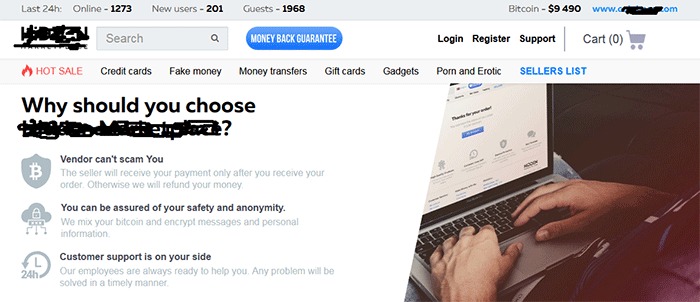
Darknet adressen serve as gateways to various hidden services. Each address is generated to ensure anonymity and security. For instance, while http://abc123xyz.onion might point to a forum discussing privacy technologies, another dark web address, http://example.onion, could lead to a marketplace where illegal goods are traded. The nature of these addresses reflects the diverse activities that occur in the darknet.
Accessing Darknet Adressen
- You can tell you’re on the dark web if you’re accessing websites with .onion addresses on the Tor Browser or a similar anonymity network.
- A darknet or dark net is an overlay network within the Internet that can only be accessed with specific software, configurations, or authorization, and often uses a unique customized communication protocol.
- With a VPN, your data gets encrypted before it ever reaches the Tor network.
- Using DuckDuckGo over Tor will also let you see onion sites and normal pages in your search results.
To visit darknet adressen, one typically uses the Tor browser, which routes internet traffic through multiple servers to conceal the user’s location. This layered approach to anonymity makes it difficult to track users or the services they access. For those seeking more niche content, darknet adressen can also be accessed via I2P, known for its focus on secure communication.
Types of Content Found on Darknet Adressen
The content on darknet adressen varies widely. Some sites are legitimate; they provide valuable information about privacy rights, illicit surveillance activities, or operate as forums for whistleblowers. In contrast, other darknet adressen are infamous for hosting illegal transactions or content, making them targets for law enforcement.
- Forums: Many darknet adressen lead to discussion boards dedicated to topics such as hacking, privacy, and censorship resistance.
- Marketplaces: These are platforms where users can buy and sell goods, often involving drugs, counterfeit items, or stolen data.
- Wiki and Information Resources: Some sites serve as repositories of knowledge, sharing information about digital rights and security.
Risks Associated with Darknet Adressen
While exploring darknet adressen can offer unique insights, it comes with significant risks. Users may inadvertently encounter illegal content, which could lead to legal repercussions. Furthermore, the threat of scams and cybersecurity risks, such as malware and phishing attempts, is prevalent in these hidden corners of the web. Consequently, navigating the darknet requires caution and a profound understanding of its complexities.
In conclusion, darknet adressen represent a fascinating yet perilous aspect of the internet. They encapsulate a range of activities that can either promote anonymity and free speech or facilitate illicit practices. Understanding how to navigate and utilize these addresses effectively is essential for anyone venturing into the darknet.