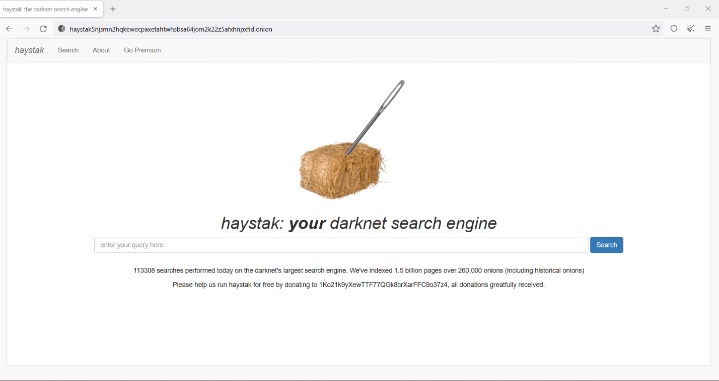
The dark web has long been shrouded in mystery, often associated with illicit activities and the sale of illegal goods. Among the various offerings available on this hidden part of the internet, dark web stores have emerged as a prominent feature. These online marketplaces operate outside the realm of conventional e-commerce, allowing users to buy and sell everything from illegal drugs to stolen data. Understanding the dynamics of dark web stores is crucial for anyone seeking to navigate this unregulated and often dangerous environment.
It blocks trackers, prevents user fingerprinting, encrypts data, and reroutes your browsing so no one can see where in the world you are. Tor is a browser engineered for extra security and privacy, and can be used to navigate the normal, surface web as well as the dark web. However, there are plenty of legal and legitimate online activities that require privacy and anonymity. The dark web, which is what I'm discussing here, is a small subset of the deep web, and refers to websites that are specifically trying to stay out of sight. It accounts for around 90 percent of websites, by some estimates, so we're talking about a substantial chunk of everything that's online.
Dark Web Store
A dark web store typically requires a special browser, such as Tor, to access. This anonymity is a double-edged sword: while it protects buyers and sellers from law enforcement, it also fosters a culture of distrust and crime. Users often engage in transactions using cryptocurrencies like Bitcoin, which further complicates the traceability of these exchanges.
The Types of Goods Available
- At its peak, AlphaBay had over 400,000 users and facilitated transactions exceeding $1 billion.
- But there are drawbacks as well; the vendor screening is more stringent and is suspected to be monitored.
- Using Tor to access dark web links isn’t illegal, but your ISP will notice, and others may too.
- The wallet system means faster transactions, but also a higher degree of risk, as you are trusting the market with your funds.
- After the Biker DLC, players can now purchase buildings for illegal drugs and counterfeit products manufacture, and distribute them through a darknet website called "The Open Road" where law enforcement cannot be notified of the player's trade.
- Operating more like a legit e-commerce platform (surprisingly), the market operates a 14-day escrow system, but it lets you opt for Finalize Early (FE) if you trust a vendor.
The inventory of dark web stores is diverse, ranging from typical illegal items to more bizarre offerings. Common products found include:
- Drugs: Various substances, including marijuana, cocaine, and prescription medications.
- Stolen Data: Personal information such as credit card numbers, social security numbers, and login credentials.
- Weapons: Firearms and other weaponry, often untraceable.
- Counterfeit Goods: Fake designer products, documents, and even currency.
- Flare’s high risk threat monitoring solution provides automated dark web monitoring, which frees up time and resources for other important security tasks.
- It features over 40,000 listings including narcotics, counterfeit items, hacking tools, and stolen data.
- With advanced dark web monitoring, threat intelligence, and brand protection services, we help you uncover hidden dangers, prevent data breaches, and safeguard your reputation.
- While users rely on anonymity, investigators often trace Bitcoin transactions on the blockchain, monitor multihoming patterns, and exploit weaknesses in marketplace operations.
- This was an intriguing boast—a prosecutor told me it was made to gain users’ trust—but it was untrue.
- The IP numbers of people on the darknet don't make sense and you don't even know they're connected.
How Dark Web Stores Operate
Operating a dark web store is significantly different from traditional online retail. Vendor credibility plays a crucial role, as buyers heavily rely on reviews and ratings. Due to the lack of regulation, disputes often arise, leading to potential scams. Most vendors use escrow services to secure funds until both parties fulfill their obligations, thus building a layer of trust within an inherently risky environment.
The Dangers Involved
While the allure of dark web stores might be enticing due to their anonymity and the range of products offered, the risks are considerable. Law enforcement agencies around the world continuously monitor these platforms, and buyers may face legal consequences or encounter scams. Additionally, the digital security threat looms large, with many users falling victim to hacking or fraud while engaging in these transactions.
Conclusion
In conclusion, dark web stores represent a unique intersection of innovation and crime. While they offer a glimpse into an underground economy operating outside societal norms, they also expose users to significant risks. As technology evolves, so too does the landscape of the dark web, and understanding its intricacies is essential for anyone who might be tempted to venture into these shadowy marketplaces.